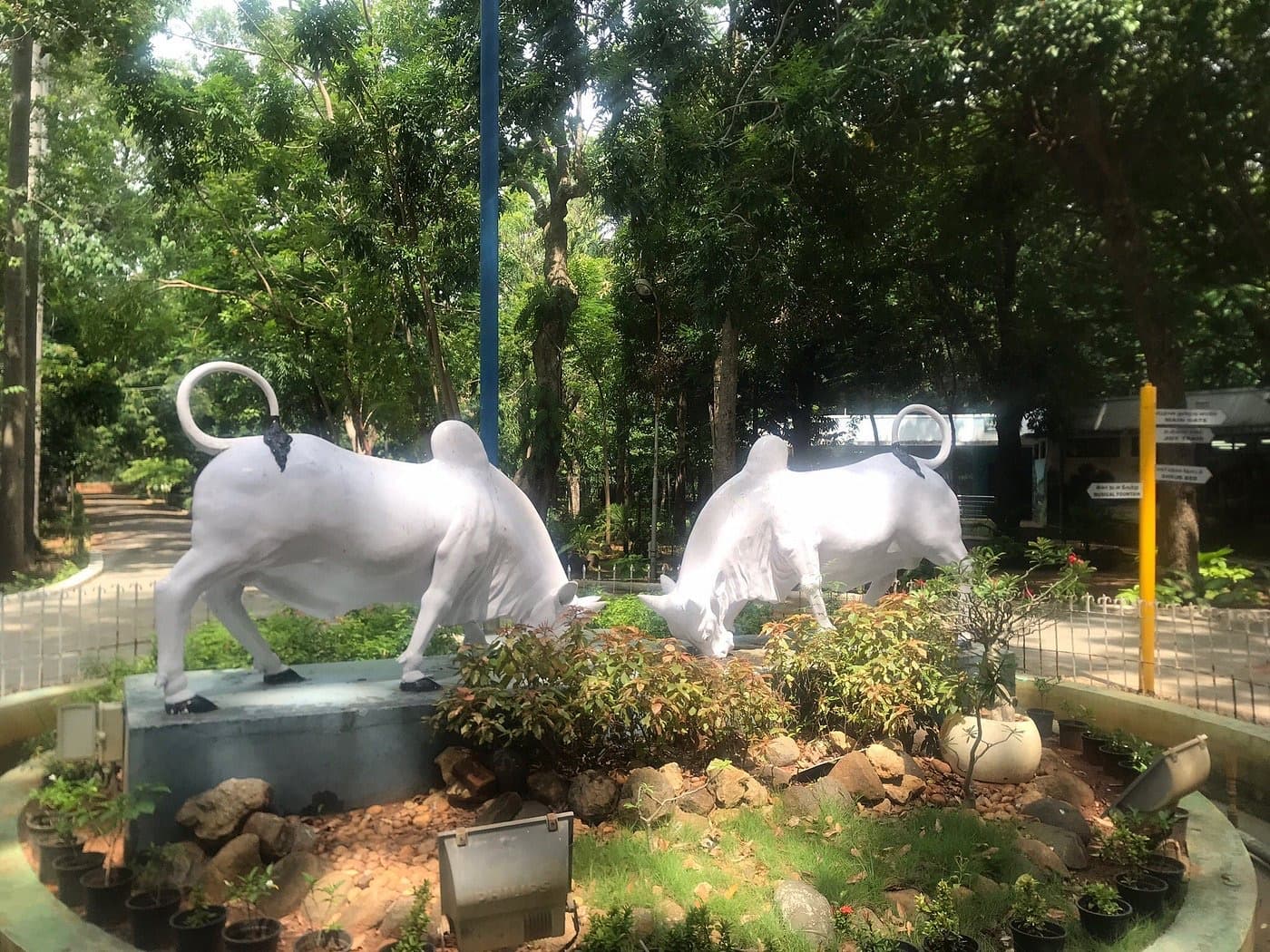
Nature & Garden
Botanical Garden
French: Jardin botanique de Pondichéry
Built: Established 1826
1,500 plant varieties across 30 sections, including fossil plants and giant trees that have been growing since 1826. Twenty-two acres of shade, a toy train, singing fountains, and a fossil park. The most underrated family stop in Pondicherry.
Why 1826? France had just recovered Pondicherry definitively after the Napoleonic Wars. The Restoration governors were rebuilding the city's institutions: the French College (1826), the lighthouse (1835), the Law School (1838). The botanical garden was part of the same programme, a scientific investment that said: we're staying. By 1829, just three years in, 800 to 900 species were already growing here.
The scientist. In 1838, the eminent French botanist S.G. Perottet arrived and added numerous new and rare species, turning the garden into a living herbarium. He connected Pondicherry to the networks of the Muséum national d'Histoire naturelle in Paris. After 1954, the Ministry of Agriculture took over maintenance and the garden has remained open every day since.
The jewels. Giant trees planted in the 19th century form the canopy that makes this garden what it is. Fossil plants, ancient species that predate the colonial garden by millions of years, are among the most unusual things you'll see. The annual Fête des Fleurs (flower festival) draws nature lovers from across the region. Come in winter (November to February) for the best conditions.
What to look for
- The fossil park: plants that existed before humans did, in a garden planted by French colonial scientists. The juxtaposition is quietly extraordinary.
- Sit under one of the 19th-century giants and listen. The canopy birds and insects do the rest. No information panel needed.
- Evening: the musical fountain performs with coloured jets in different shapes and patterns, timed to music. The lotus fountain nearby is the quieter alternative.
Hours: 10:00–17:00 daily (including weekends)
Entry: ₹20 (adults), ₹10 (children)
Tip: Best November to February when the heat is manageable. Combine with the Pudhuvai Museum next door. Allow at least an hour; families with children will want two.
The Pondy App
Take this guide with you
Offline maps, street-level history, restaurant picks, and hotel guides — everything on this site, in your pocket.